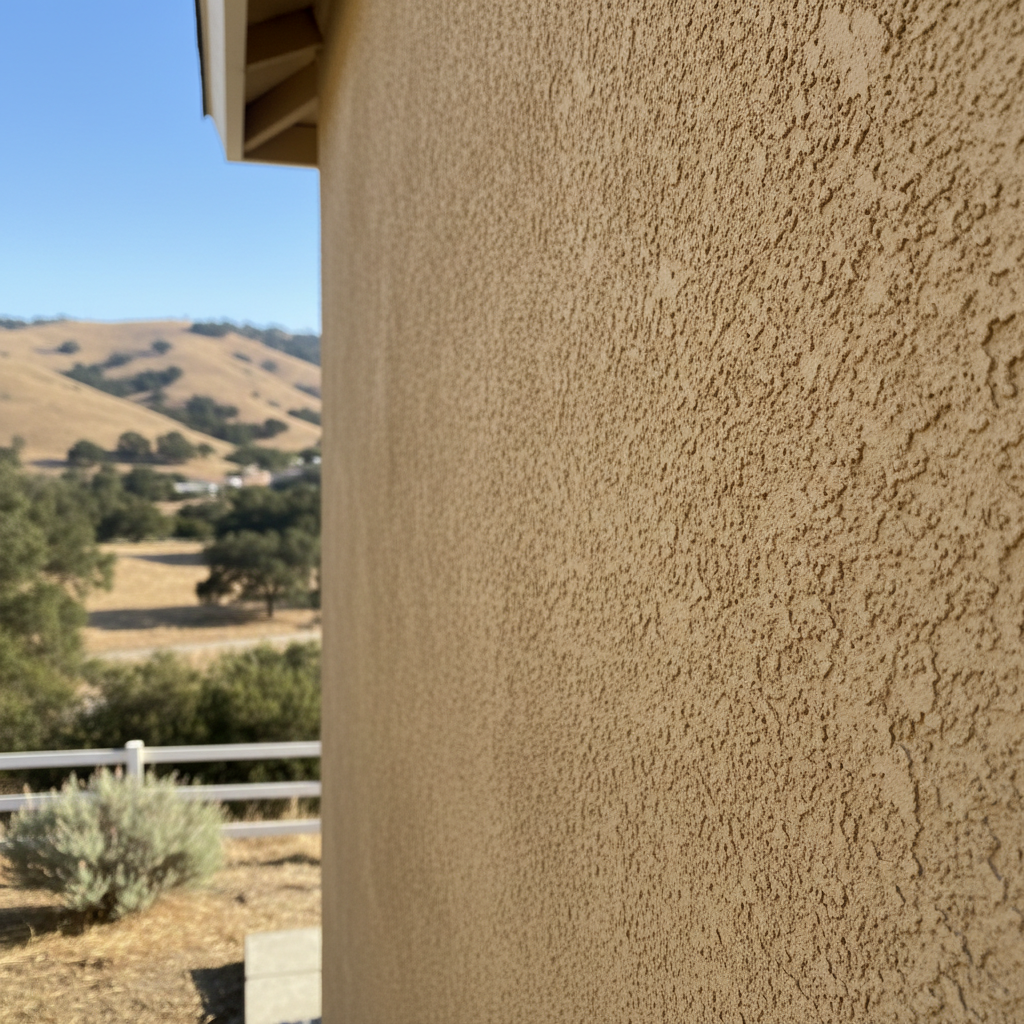
Do I really need to remove my stucco, or can I just repair it?
That's a big one, and honestly, it depends. If you've got a few cracks here and there, or maybe some minor water damage around a window that's been fixed, then a good stucco repair job can absolutely save you a lot of money and hassle. We do a ton of those. But if you're seeing widespread cracking, bulging, or a lot of soft spots, especially if it's been like that for years, then repair might just be putting a band-aid on a bigger problem. Sometimes the underlying sheathing or framing is compromised, and you won't know that until you get the stucco off. Also, if you're just tired of the look and want to change your home's aesthetic entirely, then removal is your path.
What's the typical process for stucco removal?
It's not just a matter of prying it off, believe me. First, we'll protect your property – landscaping, windows, doors, everything gets covered up. This stuff makes a mess. Then, we start the actual removal. For traditional stucco, that usually means cutting it into manageable sections and then carefully prying it off the lath. Sometimes we'll use specialized tools to speed things up, but it's still a pretty labor-intensive process. Once the stucco is off, we'll remove the old lath and any building paper. This is where we get to inspect the sheathing and framing underneath. Any rot, mold, or damage gets addressed here before we even think about putting on new siding. Then it's all about cleaning up the site and getting it ready for whatever new finish you've chosen.
How long does stucco removal usually take?
Again, it varies a lot based on the size of your house, how many layers of stucco are on there, and the complexity of the architectural details. A smaller, simpler home might take us a week or two for just the removal and prep work. A larger, more complex house, especially one with multiple stories or intricate designs, could easily be three to four weeks, or even longer. Weather plays a role too; we can't work effectively in heavy rain, which isn't a huge problem here in Hollister most of the year, but those winter storms can definitely slow things down. When we give you a quote, we'll give you a pretty solid timeline based on your specific property.
What kind of mess should I expect during the project?
Oh, you should expect a mess. There's no way around it. Stucco removal is dusty, dirty work. We're talking about breaking up cement-based material, and that dust gets everywhere if you're not careful. That's why we spend so much time on site protection. We'll put up tarps, plastic sheeting, and sometimes even temporary fencing to contain as much of it as possible. We also do daily clean-up to keep the site as tidy and safe as we can. But even with all our precautions, you'll find some dust. It's just the nature of the beast. We always make sure to do a thorough final clean-up, but don't plan any fancy outdoor parties during the project.
What are my options after the stucco is removed?
Once that old stucco is gone, you've got a fresh canvas! Most folks in Hollister who remove stucco are looking to change the look of their home entirely. Your main options are usually:
- New Stucco: Yep, sometimes people remove old, failing stucco and put new, modern stucco back on. It's a durable, attractive option, and with updated materials and proper installation from someone like Alpha Stucco Solutions, it'll last for decades.
- Siding: This is a popular choice. You can go with fiber cement siding (like Hardie Plank), which is super durable and looks great. Vinyl siding is another option, often more budget-friendly. Wood siding, like cedar, is beautiful but requires more maintenance.
- Stone Veneer: If you're looking for a more rustic or high-end look, stone veneer can be combined with other materials for a really striking appearance.
- Brick Veneer: Similar to stone, brick veneer offers a classic, timeless feel.
We can talk through all these options and what makes sense for your home's style and your budget.
Will removing stucco affect my home's insulation or energy efficiency?
It definitely can, and usually for the better. Old stucco often doesn't have much in the way of modern insulation behind it, or if it does, it might be outdated. When we remove the stucco, we're exposing your exterior walls. This is the perfect opportunity to upgrade your insulation. We can add new house wrap for better moisture protection and then install rigid foam insulation boards or other modern insulation materials before your new siding goes on. This can make a noticeable difference in your energy bills and how comfortable your home feels year-round, especially during those hot Hollister summers or chilly winter nights. It's a smart investment to consider when you're already doing such a big exterior project.
How much does stucco removal cost?
This is probably the most common question, and it's also the hardest to give a one-size-fits-all answer to. The cost depends on so many factors: the size of your home, the number of stories, how many layers of stucco need to be removed, if there's lead paint or asbestos (which requires special handling), and what we find underneath once the stucco is off. Are there repairs needed to the sheathing or framing? All of this impacts the final price. What I can tell you is that it's a significant investment. You're not just paying for labor; you're paying for specialized tools, debris disposal, site protection, and the expertise to do it right without damaging your home. The best way to get an accurate estimate is to have us come out, take a look at your property, and give you a detailed quote. We're always upfront about costs, so you'll know exactly what you're getting into.